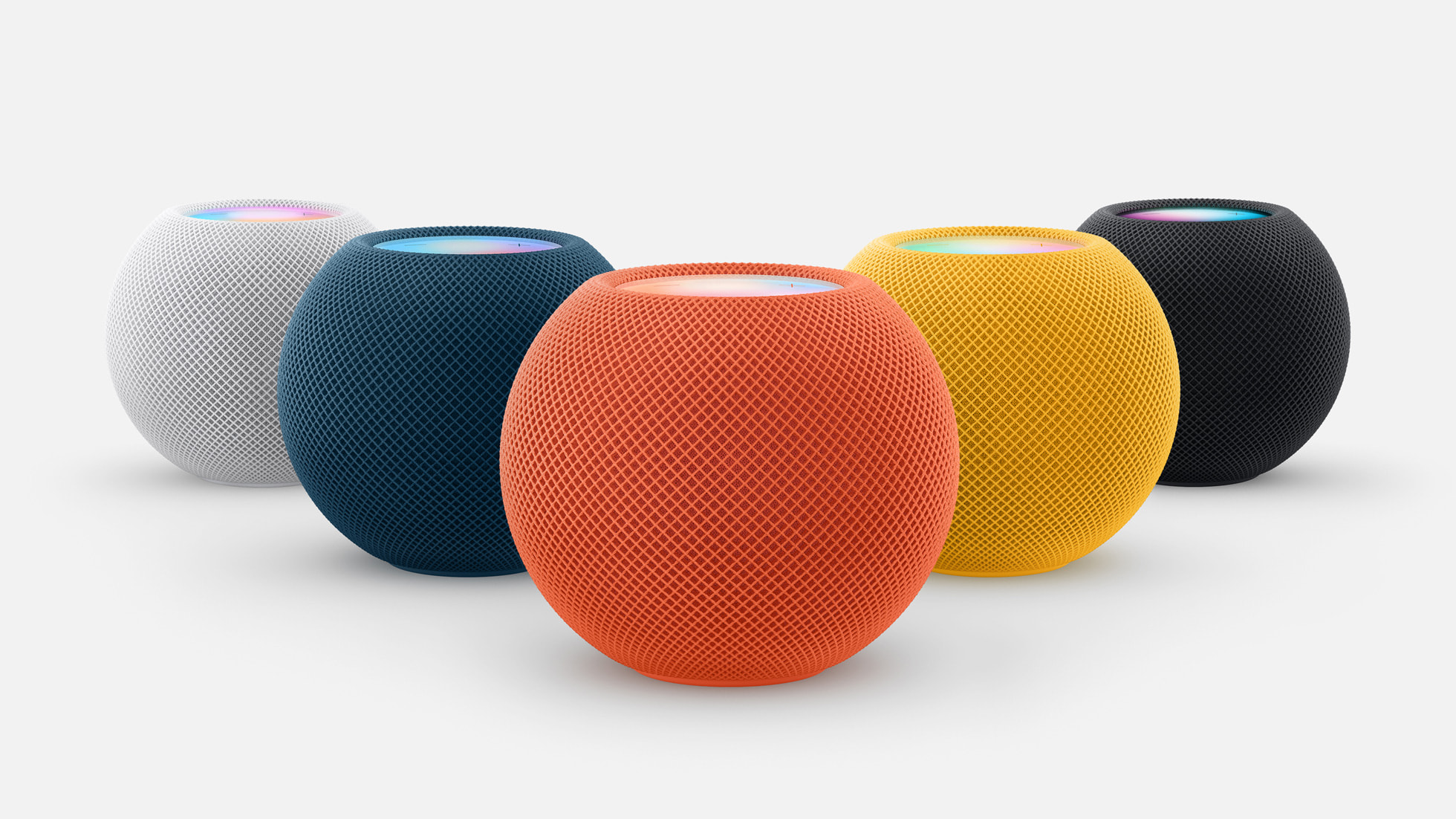
A smart speaker is part audio product, part household interface. The original HomePod mini is especially interesting when the people using it already rely on Apple devices. Its usefulness depends on those connections as much as on its compact size.
Check the household, not just the device
Start with the people who will use it. If a speaker sits in a shared kitchen, everyone should be able to play music or control compatible accessories without borrowing a particular person’s phone. Check setup requirements and music-service support on Apple’s documentation. A speaker that works beautifully with one person’s devices may be less convenient for someone using another platform.

A deliberate place in the home
Apple’s documentation describes a compact speaker with touch controls and AirPlay support. That makes placement and access worth considering: leave room to reach the top surface and choose a stable location with power nearby. This is a mains-powered home product, rather than a battery travel speaker. For a larger room, do not assume that buying the smallest enclosure will meet every listening need.
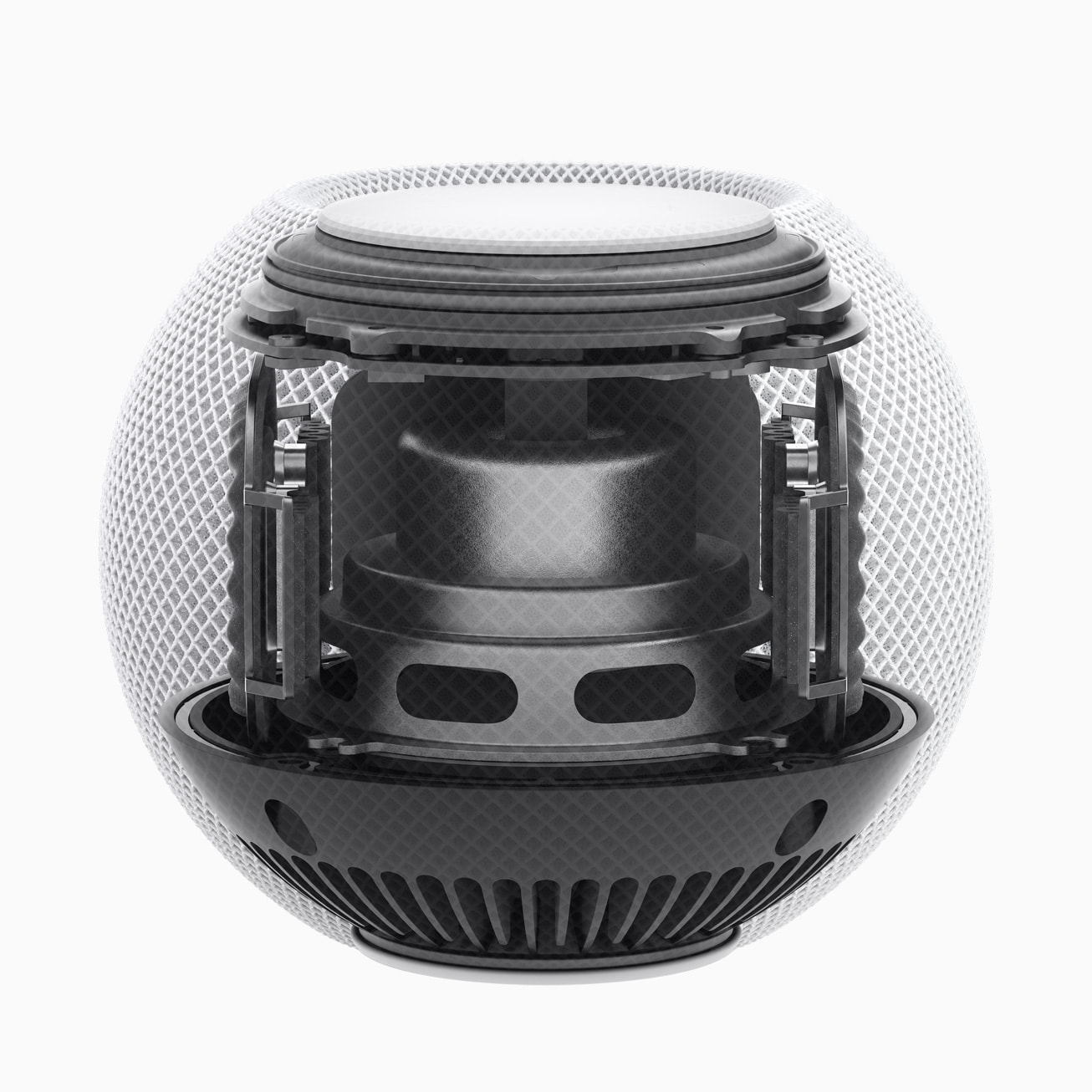
Build the smart home slowly
Choose one useful routine before buying several accessories. A lamp you regularly switch off from bed is a more practical starting point than an ambitious automation you rarely use. Check compatibility at the model level, including any bridge or hub requirement. Voice recognition and music-service features can depend on region, software and accounts. We have not tested response accuracy, sound quality or automation reliability in a household.
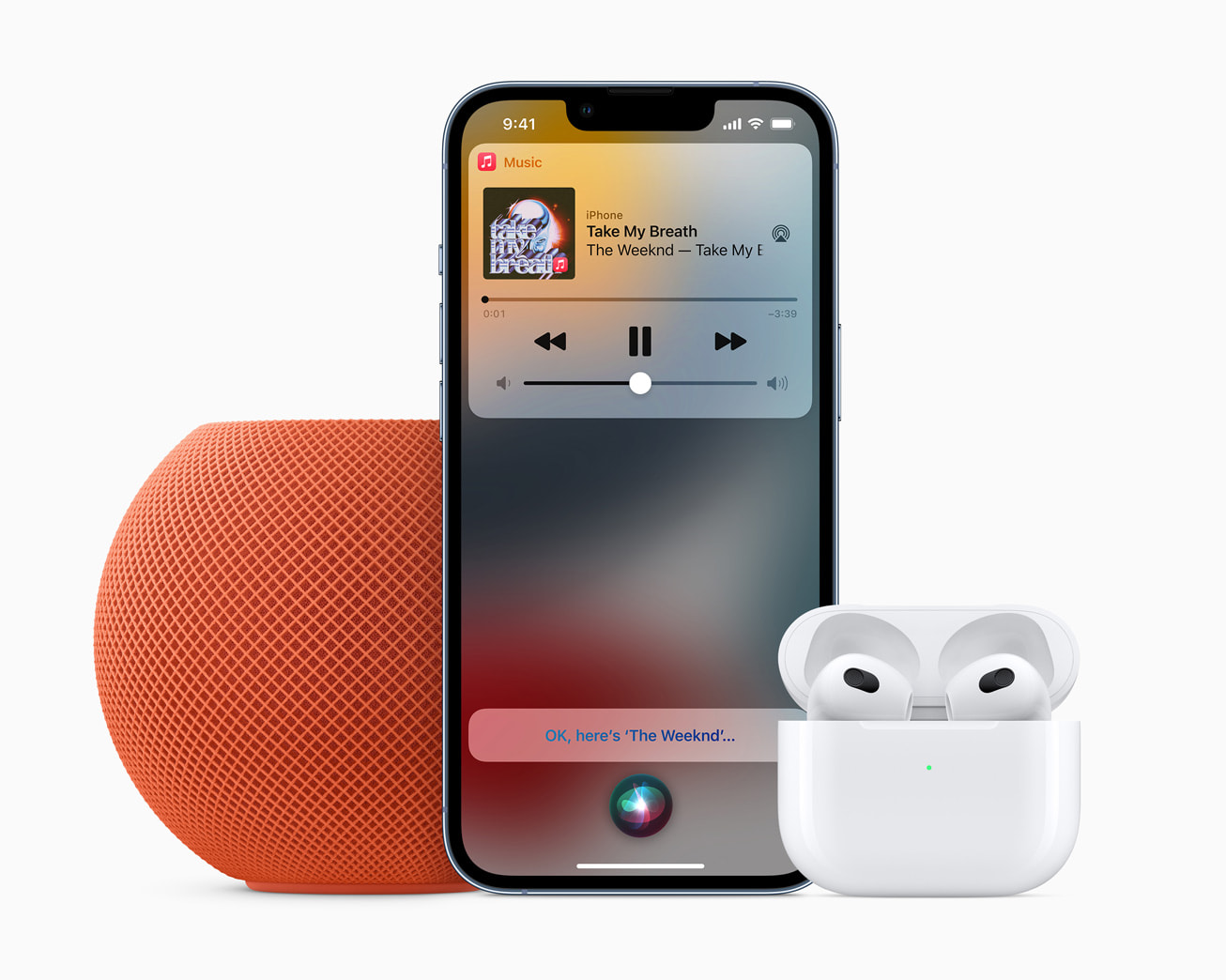
What we like
- Compact footprint for a shelf or bedside table
- Touch controls provide an alternative to voice
- AirPlay supports an Apple-centred listening setup
What to consider
- Best considered within its device ecosystem
- Requires mains power
- Service and accessory compatibility needs checking
Who should buy it?
Apple-device households seeking a compact room speaker and a simple starting point for compatible smart-home routines. Mixed-platform households should investigate shared access carefully.
The E-vibe conclusion
Consider the original HomePod mini when it solves a clear household task and its compatibility fits everyone involved. Check the generation and condition before buying. This article covers the 2020 model, not a claim about the latest generation.
Sources & transparency
Manufacturer documentation for Apple HomePod mini (2020), consulted October 23, 2026. Product availability, prices and software support may change. Check the exact model before buying.
Images are credited separately and do not imply manufacturer endorsement. Read our affiliate disclosure.